Explore Freshness: Your Comprehensive Guide to Purchasing a Cold Storage Trailer for Sale
In the highly competitive field of food distribution, a freezer trailer stands as a vital resource for businesses handling perishable goods. Recognizing the specialized features, dimension choices, and economic factors is imperative for making an informed decision. The choice between new and used models can greatly impact operational efficiency. As businesses aim to enhance their cold storage solutions, they must assess various aspects to maintain maximum efficiency and compliance. Which critical factors might go unnoticed?
What Makes a Freezer Trailer the Right Choice for Your Business?
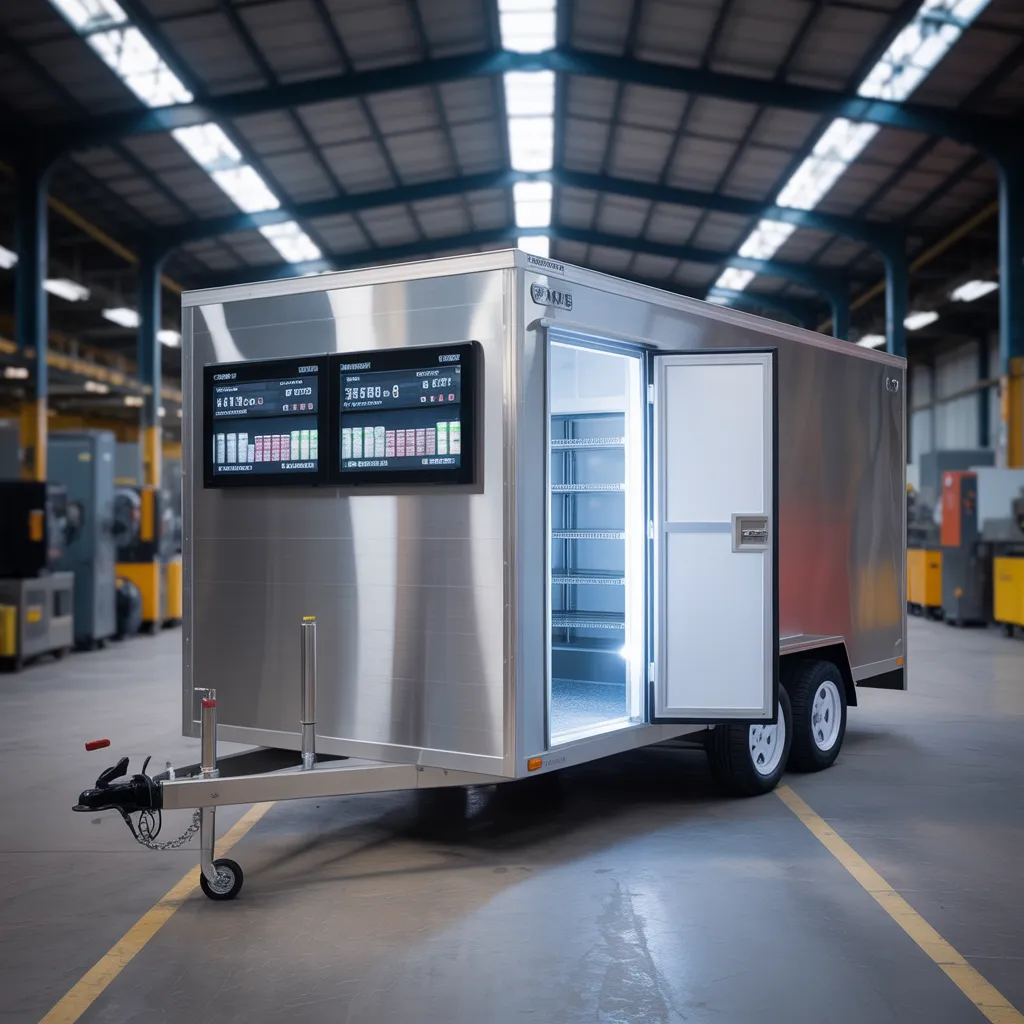
A growing number of businesses are turning to freezer trailers to boost their overall productivity. These mobile cold storage solutions provide flexibility, allowing businesses to haul perishable items without sacrificing product integrity. By utilizing freezer trailers, organizations can extend their logistical operations, accessing distant areas where conventional cooling systems may not be available.
Furthermore, freezer trailers present the key advantage of sustaining a regulated setting, which is critical for preserving food safety and maximizing shelf life. This is notably useful for industries such as catering, food distribution, and pharmaceuticals, where temperature monitoring is a top priority.
Moreover, freezer trailers typically require a smaller initial outlay in comparison to establishing permanent refrigeration infrastructure, rendering them a financially advantageous option for many enterprises. With the growing need for perishable and frozen items persists in climbing, utilizing freezer trailers can position businesses to satisfy client demands while improving their supply chain efficiency.
Essential Features That Ensure Your Freezer Trailer Delivers Optimal Performance
Purchasing a freezer trailer offers many perks, but its efficiency largely relies on particular features designed to maximize performance. First, a robust refrigeration system is essential, guaranteeing steady temperatures that protect food quality. Energy efficiency is another vital feature, as it minimizes operating costs while preserving optimal conditions.
Furthermore, insulation quality serves a critical function in preserving temperature levels, minimizing energy use and optimizing performance. The construction material of the trailer must be durable and corrosion-resistant, guaranteeing long-term performance even in demanding environments.
In addition, a well-designed drain system plays a key role in maintaining sanitary conditions, which is crucial for the safety of food.
Additionally, easy-to-use thermal monitoring solutions provide real-time data, allowing personnel to implement required changes without delay. Collectively, these elements guarantee that a freezer trailer consistently exceeds functional requirements, effectively driving operational growth.
Picking the Perfect Freezer Trailer Size to Meet Your Needs?
When picking out a freeze trailer unit, it is crucial to examine specific storage demands to guarantee adequate space for the desired purpose. Moreover, considering the towing power of your vehicle can prevent complications during transportation. Thorough assessment of these factors will aid in determining the right size freeze trailer unit.
Assess Your Storage Needs
What is the best way to determine the ideal dimensions for a refrigerated trailer? Assessing storage requirements is critical for reaching a well-informed conclusion. Initially, people should assess the types and quantities of items they plan to store. For operations working with temperature-sensitive products, a higher volume option may be required to handle changes in inventory levels. Furthermore, taking into account restocking intervals is an important consideration; higher delivery frequency might require less storage space. It is equally important to consider long-term business growth—scaling up may call for a more spacious unit. Lastly, assessing the space available for parking and operating the trailer can impact the decision on trailer size. Considering all of these elements ensures that the selected freezer trailer meets both current and future demands efficiently.
Consider Vehicle Capacity
What factors should one consider regarding vehicle capacity when selecting a freezer trailer? First, the towing capacity of the vehicle must align with the trailer's weight. Surpassing this threshold can cause safety concerns and potential damage to the vehicle. Furthermore, the trailer's size should suit the intended purpose; a larger capacity is ideal for transporting bulk goods, while a reduced size could be sufficient for sporadic deliveries. Consideration should also be given to the vehicle's agility and the trailer's size, ensuring they can navigate urban environments or tight spaces effectively. Lastly, proper weight distribution is critical for maintaining stability while in transit, affecting both vehicle control and overall safety. Weighing these considerations will assist in choosing the most appropriate freezer trailer for particular requirements.
New or Used: Which Should You Choose Pros and Cons of Freezer Trailers
When evaluating acquiring a freezer trailer, the decision between new and pre-owned options comes with clear pros and cons. Brand-new units often come with warranties and the latest features but at a greater expense, while pre-owned trailers tend to be more cost-effective yet could require additional maintenance. Evaluating these factors is important for making an informed decision.
Cost Factors
Choosing between new and used freezer trailers involves several cost aspects that can significantly affect a buyer's budget. New freezer trailers typically feature higher upfront costs but deliver the latest technology, warranties, and potentially lower maintenance expenses. In contrast, used trailers can deliver significant savings, often at a fraction of the cost, but may be missing modern features and could require more frequent repairs. Buyers should also factor in depreciation, as new trailers lose value quickly, while used models may retain their worth better over time. Ultimately, weighing the initial purchase price against long-term value and reliability will help buyers arrive at a knowledgeable conclusion that suits their financial goals.
Upkeep Considerations
Maintenance considerations are a key factor in the decision-making process between new and used freezer trailers. New freezer trailers typically come with warranties, reducing potential repair costs and providing consistent functionality. Their cutting-edge engineering generally necessitates less routine upkeep. On the other hand, second-hand trailers may carry underlying issues contributing to greater long-term upkeep costs. Buyers should consider the age, condition, and service history of used models, as aging models may require more regular servicing or component replacements. It is also worth noting that upkeep availability and associated costs can fluctuate across different brands. Ultimately, the choice copyrights on balancing initial investment with long-term maintenance expectations, making certain that the chosen unit suits both operational requirements and financial limitations.
Freezer Trailer Cost Breakdown
Determining the budget for a freezer trailer involves careful assessment of a number of important elements. The initial purchase price is often the most significant expense, as costs differ depending on brand, dimensions, and specifications. Buyers should also factor in additional costs, like shipping and delivery charges, that can significantly impact the total expenditure.
Upkeep and operational costs are important to consider as well; power expenses, regular maintenance, and possible repairs can add up over time. Buyers should also consider insurance and registration fees, which may be required by local regulations.
Additionally, it is wise to account for any modifications or attachments that may boost efficiency, such as storage shelving or climate control systems. By taking all of these elements into account, interested buyers can create a practical budget that addresses both immediate costs and long-term financial commitments connected to purchasing and maintaining a freezer trailer.
Essential Maintenance Tips for Your Freezer Trailer to Maximize Longevity
Adequate care of a cold storage trailer is essential for maintaining its longevity and peak performance. Regular maintenance checks should be undertaken to evaluate the refrigeration system, establishing that all parts work as intended. Maintaining the cleanliness of the interior and exterior of the trailer reduces the collection of filth and residue, which can background information diminish operational performance and sanitary conditions.
It is important to observe temperature configurations and confirm they are maintained uniformly, as variations can damage stored products. Furthermore, checking seals and gaskets regularly assists in preserving temperature stability and decreases overall energy expenditure.
Tires and brakes should also be inspected routinely to guarantee safe transport. Keeping the trailer stored in a shaded or covered area can shield it from weather-related deterioration. Additionally, preserving thorough documentation of all servicing and repairs can aid in identifying recurring issues and assist with future resale value. By adhering to these practices, owners can significantly prolong the life of their freezer trailer.
How to Optimize Freshness and Performance in Your Freezer Trailer
Enhancing quality and performance in a frozen goods trailer necessitates careful management and strategic planning. Initially, appropriate temperature settings are crucial; keeping a steady temperature of -18°C (0°F) secures perfect preservation of stored items. Routinely checking and adjusting temperature controls works to eliminate temperature variations.
Furthermore, arranging products by category and expiration date enhances accessibility and reduces waste. Employing clear labeling and specific sections allows for efficient inventory management.
Additionally, decreasing door openings minimizes temperature loss. Packing the trailer properly, establishing airflow around items, also aids in maintaining a stable environment.
Routine maintenance inspections, such as cleaning condenser coils and inspecting seals, are essential for preserving the refrigerated trailer's optimal performance.
Finally , investing in superior insulation enhances the vehicle's capacity to hold cold air, additionally promoting freshness. Implementing these strategies will confirm that a freezer trailer operates at peak performance, preserving products and enhancing operational efficiency.
Questions We Often Receive
Which Brands Are Top-Rated for Freezer Trailers?
Notable companies for freezer transport units consist of Thermo King, copyright Transicold, and Frigidaire. These industry leaders are recognized for their reliability, advanced technology, and efficient cooling solutions, meeting multiple necessities in the shipping of temperature-sensitive goods.
What Is the Best Way to Clean and Sanitize My Freezer Trailer
When cleaning and sanitizing a freezer trailer, start by taking out all stored items. Scrub all interior surfaces with warm, soapy water, then rinse all areas completely. Finally, apply a food-safe sanitizer, making sure it reaches all surfaces before letting it air dry.
Am I Able to Customize My Freezer Trailer?
Absolutely, freezer trailers may be personalized. Proprietors frequently alter components such as shelving, temperature management systems, and exterior finishes to properly accommodate their individual specifications, ensuring maximum performance for transporting perishable cargo efficiently.
What Are Typical Repair Concerns With Freezer Trailers?
Common repair issues with refrigerated trailers include insulation breakdown, compressor failures, thermostat malfunctions, and electrical issues. Routine maintenance helps prevent these problems, guaranteeing optimal performance and extending the life of the unit.
What Is the Safe Way to Transport My Freezer Trailer?
When transporting a freezer trailer safely, ensure it is properly fastened to the hauling vehicle, verify the tire pressure, and distribute weight evenly. Utilize proper tie-downs and track temperature during transit to maintain the freshness of the contents.